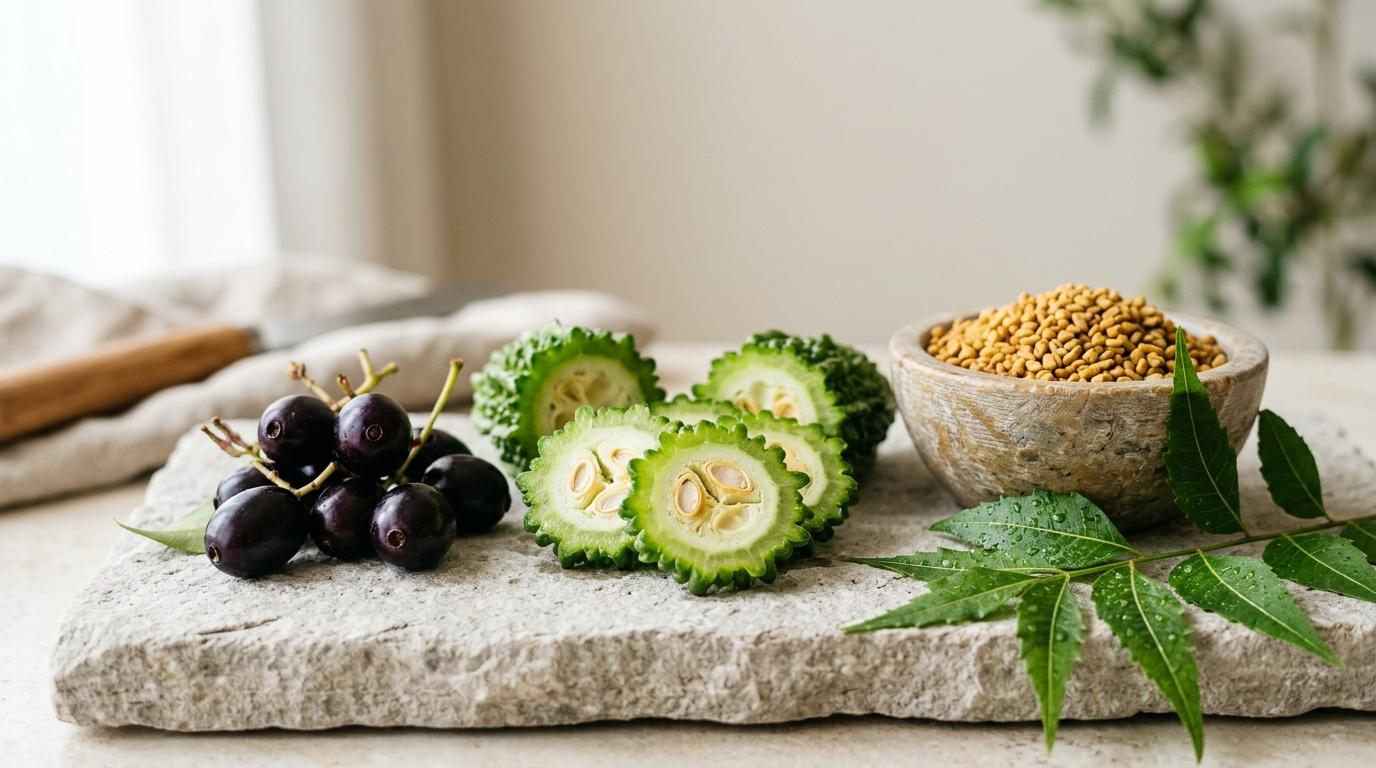
The Classical Perspective on Glycemic Disorders (*Prameha*)
Long before modern laboratories coined terms like insulin resistance and metabolic syndrome, classical Ayurvedic treatises detailed Prameha—a complex spectrum of metabolic conditions characterized by irregular urinary excretion, altered glucose metabolism, and sluggish tissue transformation.
Ayurveda teaches that Prameha arises when sluggish digestive fire (Mandaagni) leads to the formation of metabolic toxins (Ama), which then perturb Kapha Dosha and infiltrate fatty adipose tissue (Meda Dhatu). Instead of being cleanly metabolized, sugar circulates freely in bodily fluids, leaving tissues starved of genuine cellular energy.
The Pitfall of Sudden Glycemic Crashes
Synthetic anti-diabetic medications often force an abrupt, artificial drop in blood sugar levels. While this registers as a lower reading on a glucometer, it frequently triggers reactive hypoglycemia: severe afternoon fatigue, brain fog, trembling, and ravenous carbohydrate cravings.
Classical Ayurveda takes an intelligent, gradual approach: repairing natural cellular receptivity, rejuvenating pancreatic islet cells, and supporting healthy hepatic glycogen storage.
The Five Botanical Pillars of Glycemic Equilibrium
- Jamun Seed (Syzygium cumini): Contains jamboline, a unique glycoside that checks the pathological conversion of starch into glucose within the digestive tract.
- Karela (Momordica charantia): Packed with natural polypeptide-p (plant insulin) and charantin, which gently stimulate cellular glucose uptake without overburdening the pancreas.
- Vijaysar (Pterocarpus marsupium): Revered in classical pharmacology for its documented ability to protect and rejuvenate pancreatic beta cells.
- Methi (Trigonella foenum-graecum): High in soluble galactomannan fiber and 4-hydroxyisoleucine, slowing carbohydrate breakdown in the small intestine.
- Gudmar (Gymnema sylvestre): Appropriately titled the "sugar destroyer" in Sanskrit, Gudmar temporarily desensitizes sweet taste buds and suppresses sugar absorption in the intestinal brush border.
Clinical Spotlight: Daibojit Tablets
At Maatri Satva, our Daibojit Tablets combine these classical five herbs in precise pharmacopoeial proportions. Manufactured without chemical binders or synthetic colors, Daibojit helps maintain smooth, steady glucose curves throughout the day, preventing post-prandial spikes and late-night sweet cravings.
Dietary Principles for Balanced Blood Sugar
- Swap refined white wheat for ancient grains: Embrace Barley (Yava), Finger Millet (Ragi), and Kodo Millet.
- Incorporate bitter and astringent tastes (Tikta & Kashaya Rasa): Bitter greens stimulate bile production and digestive enzymes.
- Take a post-meal walk (Shatapadi): Walking exactly 100 paces after lunch and dinner aids digestion and prevents glucose accumulation in the bloodstream.